The Function For Adipose Tissue In Weight Restore After Weight Reduction
Fat Cells: Battlefield For Undesirable Weight Gain! Fat Burning Blog Site Dr Tague's Facility For Nourishment Kansas City & Topeka
MOFA presumed Element 1 as the main source of data irregularity between the problems, which was primarily affected by active hPTMs (Fig. 3e). Whether your goal is to boost your general wellness or simply slim down, burning excess fat can be tough. Past diet and workout, several other aspects can affect calorie burning and weight loss. Luckily, there are many simple means to shed calories that you can execute.Trafficking of soaked up nutrients (sugar, Glu; cost-free fatty acids, FFA; triglycerides, TGs) to and from circulation is shown for both postprandial and post-absorptive metabolic states (blue arrowheads). Boosted nutrient clearance lowers postprandial expeditions in Glu and TGs and potentiates the postprandial reductions of FFAs, which may also share a signal of nutrient deprival to the brain. The minimized metabolic mass, enhanced metabolic performance and lower thermal impact of food add to the suppression of power expense (dotted black lines). A big power space is created in between hunger and expense, and food intake must be cognitively (in humans) or forcefully (in pets) limited to preserve the decreased weight.
Collectively, these neuroendocrine modifications can act on adipose tissues to impact the size and number of resident adipocytes (Fig. 2). Various other research studies indicate that both preadipocytes and adipocytes are receptive to Thyroid Boosting Hormone (TSH) and thyroid hormonal agents in a similar style (76-- 80). Both the SNS and thyroid hormonal agents have inhibitory impacts on preadipocyte spreading Have a peek at this website and stimulatory impacts on preadipocyte differentiation. Thus, a decline in SNS tone and thyroid axis activity throughout weight maintenance might provide liberal conditions for preadipocyte spreading, while the reversal of these neuroendocrine inputs throughout weight reclaim could underlie the hyperplasia. While these neuroendocrine inputs offer a probable description for both metabolic and cellularity adaptations with weight-loss and restore, their real payment to the adaptive reaction in adipose tissues requires refresher course.
Typical, healthy and balanced fat cells stay filled up to around 2/3 of ability. The capability of fat cells to save excess calories as fat is based on their capacity to broaden like a balloon. Depending upon how much fat is offered for the fat cell, its size will alter. In times of "food plenty", fat cells keep extra calories for future tough times.

Information Schedule
We did snRNA-seq of epiAT from HCH and CCH mice and observed higher macrophage seepage in both HCH and CCH epiAT compared with the WL time point, with a better infiltration in HCH epiAT (Fig. 5i and Extended Data Fig. 10l). The percentage of LAMs was higher in HCH epiAT, comparable to that of H and HC mice, whereas CCH epiAT showed a higher percentage of EMS for fat reduction LAMs compared to CC epiAT, indicating LAM seepage occurred early during HFD feeding (Extended Data Fig. 10m). It holds true that just how much you weigh is connected to the number of calories you absorb, melt, and store. But your genetics, your metabolic process, and your environment all play a role. You might have heard that the fat you shed can turn into muscle.
The decrease in leptin is more intuitive since it is produced directly from adipocytes. The influence on insulin is indirect, mirroring the renovation in insulin level of sensitivity that occurs with weight loss (81-- 84). Remarkably, a number of researches have observed that leptin and insulin are in fact decreased to a better level than would be anticipated for the quantity of fat mass (11,21,65,85,86).Prolonged Information Fig 10 Various Other Reactions Of Topped Computer Mice And Cells To Obesogenic Stimuli
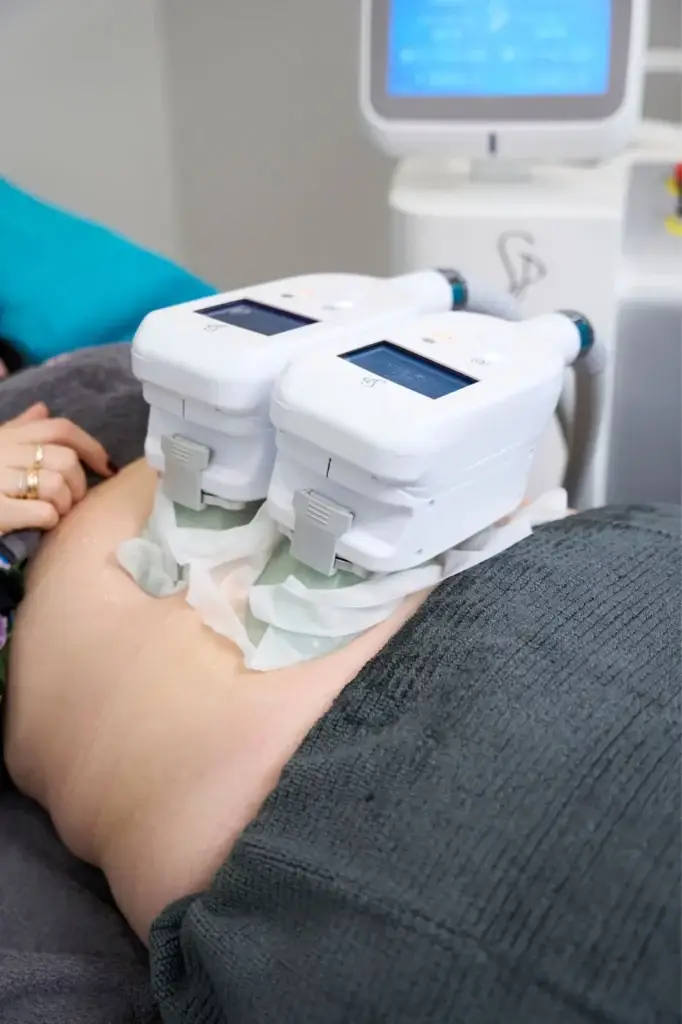
Also if some treated fat cells are gotten rid of from the area, continuing to be fat cells still exist nearby and in neglected areas. Those cells can still increase the size of later on if a patient experiences weight gain. Depending upon the modern technology, both ideas might be discussed, yet many preferred therapies are especially developed to make sure that fat cells pass away via controlled injury. In cryolipolysis, as an example, direct exposure to cold can trigger fat cell death without harming most surrounding cells. If you have battled with chronic, recurring weight gain, you recognize the difficulty of taming the fat cell!
Expanded Data Fig 9 Adipocyte Certain Enhancers Keep An Epigenetic Memory
- It is your body doing what it was designed to do-- safeguard you.
- FDA got rid of therapies that make use of photonic lipolysis/red light treatment consist of UltraSlim.
- Link of putative enhancers to genes was done utilizing the R package ChIPSeeker by selecting the closest gene (TSS or genetics body) within 20,000 bp range.
- GraphPad Prism v. 9.5.1 was made use of to evaluate physical information from mice.
- The majority of people think of fat burning like wax on a candle light.